



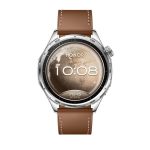


Smartwatches have moved far beyond simple step counters and smartphone extensions. Shoppers now expect advanced health tracking, smarter notifications, and longer battery life in a compact, stylish device. Brands respond with rapid innovation, adding AI, new sensors, and deeper integration with phones and other gadgets. At the same time, users want wearables that look good, feel comfortable, and fit easily into daily routines. The market keeps growing as more people monitor their health, fitness, and productivity from their wrist. As leading manufacturers push the limits of design and technology, several clear trends now shape product roadmaps, from AI-powered coaching to connected ecosystems and smarter power management that turn smartwatches into reliable, always-on companions.
Major Trends Driving the Smartwatch Market
AI-Powered Health and Fitness Tracking
Artificial intelligence sits at the heart of the new smartwatch experience. Modern wearables no longer just record data; they analyze it and turn it into simple, useful guidance. Algorithms study heart rate, sleep stages, training intensity, and daily activity patterns. They then deliver clear insights, such as recovery recommendations, stress alerts, or tailored workout suggestions. Users get nudges to move, breathe, or rest at the right time, rather than generic reminders. AI also helps detect irregular trends over time, so users can discuss meaningful data with health professionals. Coupled with cloud services and on-device processing, smartwatches now offer personalized coaching that adapts as fitness levels change. This shift from raw metrics to real-life advice makes wearables more valuable, encourages consistent use, and supports users who want proactive, data-backed control over their wellbeing.
Longer Battery Life and Better User Experience
Battery life remains a major deciding factor for smartwatch buyers. Frequent charging breaks the sense of constant connection and makes users leave devices on the desk instead of on the wrist. To solve this, manufacturers optimize hardware and software together. More efficient chipsets, refined operating systems, and smart power modes reduce energy use without cutting core features. Displays now use adaptive brightness, smoother animations, and low-power modes to stretch every charge. Some watches offer multiple usage modes, switching from full smart features to extended battery mode when needed. Better battery life directly improves user experience; sleep tracking becomes reliable, fitness monitoring stays consistent, and users feel confident wearing their watch all day and night. When watches last longer between charges, people explore more features, rely on notifications, and treat the device as a true daily companion rather than a gadget they constantly manage.
Technologies Transforming Modern Smartwatches
Smart Ecosystem Integration and Connectivity
Modern smartwatches now act as central hubs within a wider ecosystem of devices and services. Seamless connection with smartphones still matters, but users increasingly expect more. Watches link with wireless earbuds, fitness equipment, smart home devices, and cloud accounts to offer a unified experience. Strong Bluetooth, Wi-Fi, and sometimes cellular support let users receive calls, stream music, and sync data even when the phone is not nearby. Deeper platform integration means quick replies to messages, simple call handling, and instant access to essential apps on the wrist. Cross-device features, such as continuous music playback or shared notifications, remove friction from daily tasks. The result is a smooth, connected lifestyle where the smartwatch feels like an extension of the phone, laptop, and home devices. As ecosystems grow, watches that offer stable, low-latency connectivity will stand out and attract users who want reliable, always-available access to their digital world.
Advanced Sensors and Personalized Insights
Sensor technology drives much of the innovation in smartwatches. New models combine optical heart rate monitors, accelerometers, gyroscopes, and sometimes additional sensors to collect accurate, real-time data. Continuous heart rate tracking supports resting heart rate trends, training zones, and stress estimation. Motion sensors track steps, distance, and a wide range of workouts with improved precision. Many devices now measure sleep stages, including light, deep, and REM sleep, and provide clear scores and suggestions to improve rest. Some watches also watch for unusual patterns or irregular activity, helping users spot potential issues early. The real value comes from personalized insights built on this sensor data. Users receive easy-to-read charts, daily summaries, and tailored tips that match their habits and goals. Over time, the watch learns what matters most to each user and delivers more relevant guidance, making health tracking feel less like a chore and more like a helpful, personal coach on the wrist.
HONOR Watch 6: A Smartwatch Built for Modern Users
Key Features That Align with Industry Trends
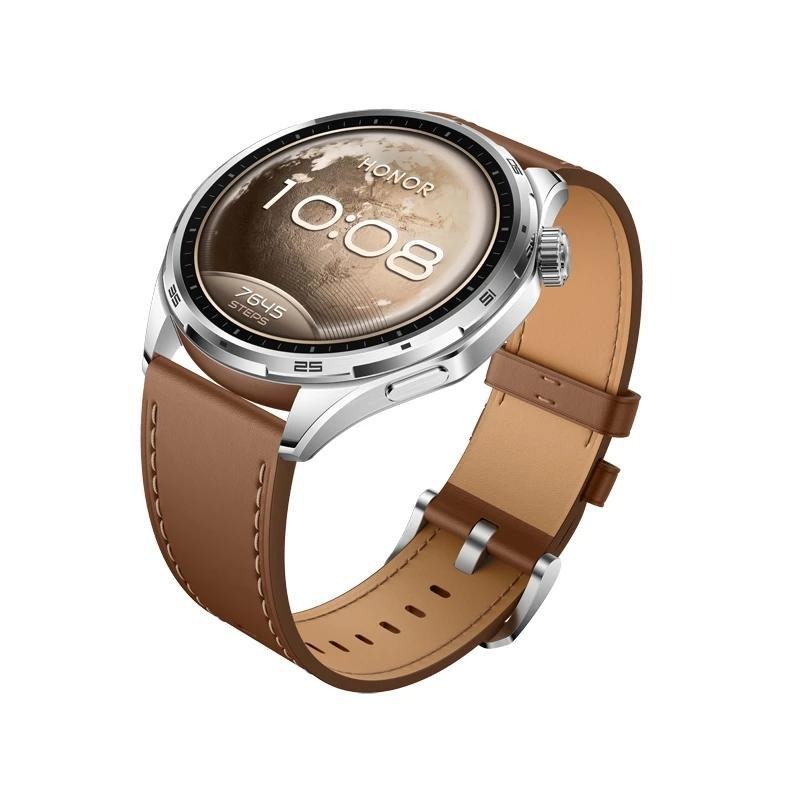
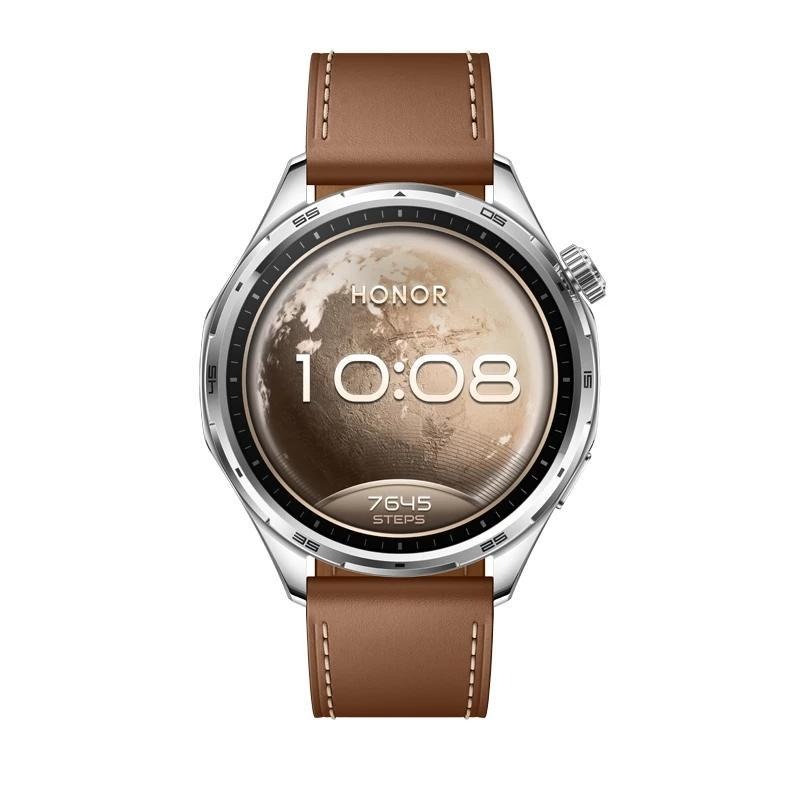
The honor watch 6 uk reflects many of the major trends seen across the smartwatch industry. Its design focuses on comfort and clarity, with a large, vivid display that makes stats, notifications, and workout metrics easy to read at a glance. Strong battery optimization helps the watch run longer between charges, so users can wear it day and night for activity and sleep tracking without worrying about constant charging. Health and fitness features cover daily steps, heart rate, sleep quality, and multiple workout modes, giving users a complete picture of their activity. Integration with the HONOR ecosystem and compatible smartphones lets users manage calls, messages, and basic controls directly from the wrist. The watch’s intuitive interface and responsive performance support a smooth user experience, while customizable watch faces and bands allow personalization. By combining long battery life, practical health tools, and reliable connectivity, the HONOR Watch 6 matches user expectations and showcases how modern smartwatches support busy, health-conscious lifestyles.
Future Opportunities for the Smartwatch Industry
The smartwatch industry still has plenty of room to grow as hardware, software, and services evolve together. More advanced AI models will create smarter, more proactive coaching that adapts in real time. As sensors become more precise and energy efficient, watches could track more health indicators and provide richer context about stress, recovery, and long-term trends. Stronger integration with health platforms may allow users to share selected data with professionals in a secure way, supporting remote monitoring and prevention. Connectivity improvements, including faster wireless links and better cross-device handoff, will make watches even more independent from phones. At the same time, manufacturers can explore new materials, slimmer designs, and better durability to reach fashion-focused and outdoor users. Subscription services, such as premium training plans or detailed analytics, offer new business models. Brands that combine trust, data privacy, and real value will likely earn long-term loyalty as smartwatches become an essential part of everyday life.
Conclusion
Smartwatches now play a key role in how people track health, stay connected, and manage daily tasks. AI-powered insights, longer battery life, stronger ecosystems, and advanced sensors guide product development and shape user expectations. Devices such as the HONOR Watch 6 show how these trends turn into real benefits: better guidance, more reliable tracking, and practical features that fit into busy schedules. As technology improves, smartwatches will move even closer to being always-on partners that understand each user’s habits and goals. The brands that focus on clear value, simple experiences, and honest communication about data will lead the next phase of growth in this fast-moving market.